


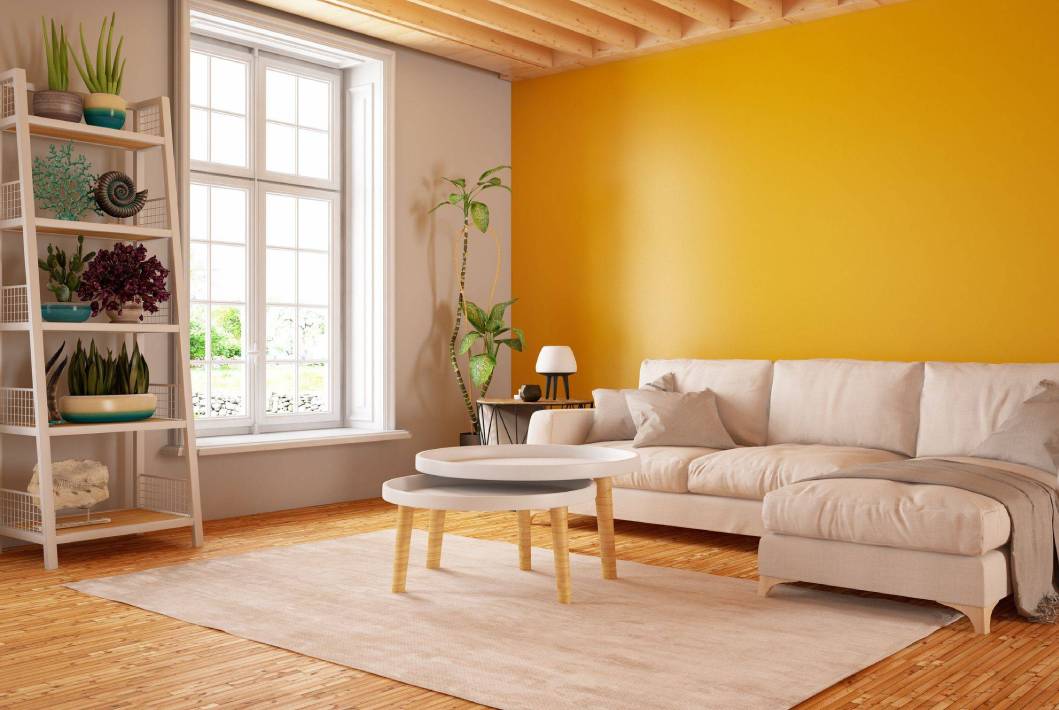
One of the most basic yet important decisions to make for your home is selecting the right interior painting. The interior space of your home says a lot about your personality, and it’s overall character! [company_name], your painting company professionals, are here to help assist you with this process so you do not feel overwhelmed.
Where Do I Start With Interior Paint Colors?
The first thing we highly suggest doing is to go around your home with an open mind. Really sit in each room or area of your home and imagine it being several different colors. If you are in bedrooms, think of common colors that are trending for bedroom spaces, which can help give you some more ideas.
Once you have several different colors in mind, think about all of the lighting that comes through your home. If you have a darker space, with limited light and windows, you might want to consider lighter colors. If you have a dark space with dark interior paint, you might feel as if your room has a gloomy feeling, and may not look as comfortable to relax in. Having light colors in dark spaces will bring out the ambiance of a room. This goes the same for rooms with tons of light and big windows. In this case, feel free to select darker shades of paint, as it will not have a negative effect.
Our team at [company_name] also suggests going for shades and tones that you will not get sick of. Meaning, if you paint your kitchen a dark blue, will this color be appealing to you for many years down the line? Possibly going for a color more subtle for the kitchen such as yellows or light greens could be easier to look at for longer than more bold colors. This also goes the same for bedrooms, as you go to sleep and wake up to this interior color for many days down the line.
Call [company_name] today to get a free estimate on interior painting.
Frequently Asked Questions
Most interiors benefit from repainting every 5–7 years, though high-traffic areas (like hallways, kitchens, and bathrooms) may need attention sooner due to scuffs, moisture, or fading.
In most cases, yes. Primer improves paint adhesion, enhances color accuracy, and ensures a longer-lasting finish—especially on new drywall, patched areas, or dark-to-light color changes.


